Before You Commit to Pilot Training, Fly a Real Aircraft First
Experience - Explore - Evolve

The Conversation Every Aspiring Pilot Has at Home - It usually starts the same way. A student tells their parents, "I want to become an airline pilot." The next questions come quickly: when should preparation start, which school, what will it cost?
What rarely comes up in that conversation is a much simpler question: has this student ever actually flown in a small aircraft, and how did it feel? For most families, the answer is no. The decision is built on reels, brochures, and the image of a pilot in uniform. Nobody in the conversation knows what the work involves, or how the student will respond to it.
"I'll Be Training Anyway. Why Pay for an Experience?"
This is the objection we hear most, from students as often as from parents. The logic seems sound: if the plan is to start flight training anyway, an introductory experience feels like an extra cost on the way to the same destination. But the experience isn't a step on the way to training. It's a way of testing whether training is the right destination at all. Compared with the cost of a full commercial pilot training program, a short real-flight experience is a very small amount to spend before finding out. If the answer is yes, the student begins with clarity. If the answer is no, the family has avoided a far larger mistake.
What the Reels Don't Show
The aviation content online is overwhelmingly glamorous: crisp uniforms, scenic cockpits, destinations around the world. It's real, but it's the polished end of the career, and it's often produced by institutes, flight schools, or pilots with something to promote.
What it rarely shows is the long training phase before any of that: demanding days, exams, procedures, and a steady need for discipline. It also doesn't show the physical side of flying. Training takes place in small, light aircraft that feel every bump of turbulence. When the instructor practices abnormal situations, such as steep turns, stalls, and emergency procedures, the aircraft moves in ways passengers on an airliner never feel.
In our experience, a good number of students find this uncomfortable. Some feel unwell in the cockpit, and some feel unsettled in turbulence or during abnormal maneuvers. Some adapt with exposure; for others it remains a real obstacle, one that can slow their training and affect how they feel about the whole career. Finding that out in a first flight costs very little. Finding it out months into a paid training program costs a great deal more.
A Small Aircraft Is Not an Airliner
A frequent misconception is that flying a small aircraft is a gentler version of flying an airliner. It isn't. The two experiences are very different, and one tells you little about the other. Airliners are large, heavy, and flown at altitude, where the ride is generally smoother. Training aircraft are light and flown close to the ground, where turbulence is felt much more, and training involves hands-on handling that airline flying doesn't. The first can be a pleasant journey. The second is a physical and mental workout.
So a student who has flown many times as an airline passenger still doesn't know how they will respond in a small training aircraft.
What a Real Flight Can and Can't Tell You
To be fair, a first flight isn't a crystal ball.
It can tell you:
How you respond physically to the motion and environment of a small aircraft
Whether the experience holds your interest beyond the novelty
How you feel about the pace, the briefings, and the discipline involved
Whether you want to keep going
It can't tell you:
Whether you will succeed over a full training program
Whether you'll enjoy the long-term career
Anything about airline life, airline finances, or how the job market will look when you finish
That's still useful, but a student should treat it as one piece of information, not a verdict.
Not All Introductory Experiences Are Equal
Short experiences are not all the same, and the format matters.
A single 60-minute discovery flight isn't a bad thing, and if that's what suits you, it's a reasonable starting point. But it's a single sitting. If a student feels unwell, or overwhelmed, there's little time to settle, recover, and reflect.
For this reason we recommend something longer: OFLY's Aviation Readiness Flight (ARF) is 90 minutes of flying, split into two sessions. The gap between them gives the body time to absorb the experience and gives the student time to react and understand how they feel. That second session often tells you more than the first.
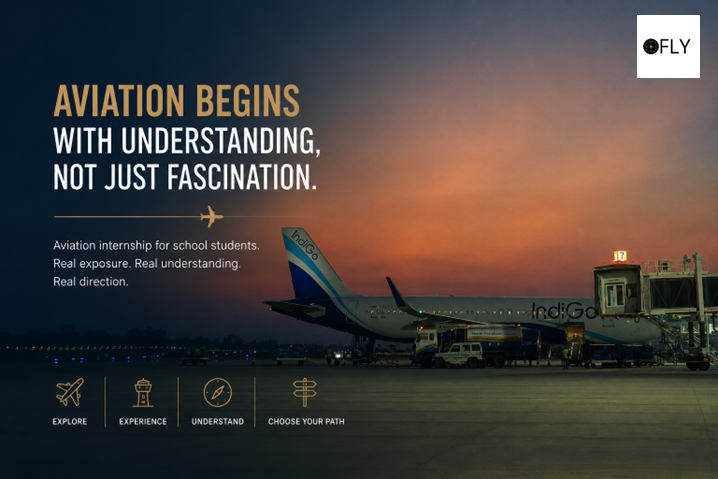
Beyond flying itself, the Foundation Immersion Program (FIP) is designed to show students what the profession demands, mentally and physically. It's less about a single flight and more about helping a student see the whole picture of the career before deciding.
A Note to Parents
The most valuable thing a parent can do isn't to encourage or discourage. It's to help the student find out. That means being cautious about marketing, from flight schools, from airlines, from social media, and yes, from organizations like ours. We offer these programs, and you should weigh our view accordingly. The principle, though, doesn't depend on who provides the experience: see it, feel it, and then decide.
A small cost now, in time and money, can protect a very large commitment later.
If you'd like to build that experience into your child's winter break, our Winter Wings programs this December include both ARF and FIP.
Frequently Asked Questions
Q. Why fly a small aircraft before starting CPL training?
Because it shows how a student actually responds to the physical and mental demands of flying, before they commit to a long and expensive training program.
Q. Is airline flying the same as flying a small training aircraft?
No. Training aircraft are light and feel turbulence and maneuvers much more than an airliner does, and training involves hands-on handling that is very different from the passenger experience.
Q. What if my child feels unwell during the flight?
It's more common than many families expect, and it's useful information. Some students adapt with exposure and others find it a lasting challenge. Learning this early is the point of a short experience.
Q. Is a 60-minute discovery flight enough?
It can be a reasonable start, but a longer experience split across two sessions, like the 90-minute Aviation Readiness Flight, gives more time to settle and understand your reaction.
Q. What does the Foundation Immersion Program add?
It goes beyond a single flight to show what the profession requires mentally and physically, helping students and parents see the full picture before deciding.
Q. Does one flight guarantee I'll succeed as a pilot?
No. It tells you how you respond to the experience, not whether you'll complete training or enjoy the career long-term. It's one useful piece of evidence among several.